
Grief, Bereavement and Loss
 Grief, Bereavement and Loss
A guide to coping with loss after the death of a loved one
Coping with the death of a loved one is a personal experience. There is no normal or perfect way to respond.
It is our hope that this article will:
- Help you understand your feelings of grief
- Offer ways to cope with your grief
- Give you information and resources you need
What does grief, mourning and bereavement mean?
- Anticipatory grief is the feeling of grief that can happen before your loved one’s death.
- Grief is the personal response to a loss
- Mourning is a process of adapting to the death of your loved one
- Bereavement is the time spent grieving after your loved one’s death
The person loved is no longer alive, but the memories will live on forever. That part of your whole being that loves him/her is embraced when you allow yourself the privilege of remembering. Alan D. Wolfelt
What can grief feel like?
When someone you love dies, your emotions, health, social life and spiritual wellbeing can change. You may feel unusual and upset by these changes.
You may experience:
- Feeling numb
- In disbelief that your loved has died
- Anxiety and distress
- Loneliness
- Anger
- Guilt
- Sadness
- Depression
- Confusion
- Trouble focusing and making decisions
- Crying or Sighing
- Having lucid dreams about your loved one
- Seeing images of your loved one
- Feeling relieved
- Aches and pains
- Upset stomach
- Loss of sleep and being tired
- Changes in sleep and appetite
You may lose interest in:
- Day-to-day routines
- Sex or intimacy
- Relationships
How long will I grieve?
Grieving is a process. Everyone experiences grief differently. There is no right or wrong way for you to react to the death of a loved one.
Symptoms of grief will occur less often and fell less intense as time passes. As symptoms of grief lessen, you will feel able to return to day-to-day life.
People can have both good and bad days when they’re grieving. Grief can come in waves of strong emotional feelings caused by reminders of your loved one… sometimes for no apparent reason at all.
Feelings of grief can return or feel worse on special days like birthdays, anniversaries and holidays when your loved is especially missed. It is normal to revisit your grief throughout your life… even when you have moved on.
Mourning never really ends. Only as time goes on it erupts less frequently – Alan D. Wolfelt
How can I help myself?
Body
- Take care of yourself
- Talk to your family doctor about any physical concerns
- Take part in activities you enjoy such as going for a walk, reading or exercising
Social
- Talk with a friend, family member or a member of your faith community
- Share memories, stories and photographs of your loved one
- Join a group or do one-on-one counselling – This can be done in person, by phone or over the internet.
Emotional and Spiritual
- Be patient – grieving takes time
- Know that other people have responded in the same way
- Let yourself experience the pain of grief
- Know that it is alright to express your feeling
- Write a letter to your loved one… express yourself and keep it safe
- Use the resources of your faith and spirituality
There is help… Reach out!
Bereaved Families of Ontario: 416-595-9618 . http://www.bereavedfamilies.net
- Provides group, one-on-one and phone support for adults, teenagers and children
Canadian Virtual Hospice: http://www.virtualhospice.ca
- Information and support on palliative and end-of-life care, loss and grief.
Respite Services: http://www.hospice.on.ca/hospiceontario.php
- Has over 180 associate and individual members who provide free bereavement support across Ontario.
University Health Network Bereavement Support Group – 416-603-5836
- Offers an 8 week bereavement group
Wellspring Cancer Support Network: 416-961-1228 http://www.wellspring.ca
- Community-based cancer support centres that offer a variety of programs to individuals and family members
Other Resources:
- Your faith or spiritual community
- Your family doctor or health team
- Your Funeral Home
Grief only becomes a tolerable and creative experience when love enables it to be shared with someone who really understands – Simon Stephens
 Talking about the future can be hard. Such discussion will invoke anxiety in even the most calm of us when we start to think about all the unknowns in our futures and those of our loved ones. These discussions can get even harder when it’s not our future we’re talking about, but rather someone else’s. However, as difficult as it may be, there are some questions that we need to have answers to when it comes to our ageing parents and it is wise to have these conversations sooner rather than later. On that note, here are 7 basic questions that you should include in the “talk” with your ageing parent/s… as soon as you can.
 Sometimes there’s a lot of pressure to do things in a “traditional” way when it comes to how we remember our loved ones, but that’s not always what they want. Although funerals/memorials need to reflect both the person that is gone and those who are left behind, having a discussion ahead of time can mean that all sides get their voices heard. When a decision is reached beforehand, our loved ones know their wishes will be respected and those of us left behind can know we’re memorializing our parents in a way that they accept as well. This means no guilt for anyone and that’s a much-needed relief at a time of sorrow.
 died. Over the next few days what will that look like for your loved ones? Your family is grief stricken and they must decide what to do with your body. They love you and want to honor your life. They go to the funeral home to make the arrangements and it is here they learn just how much their ideal tribute to you will cost.
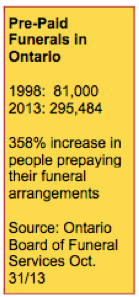 ax advantages associated with an EFA (Eligible Funeral Arrangement). The Federal Government permits any amount to be paid into a prepaid funeral certificate, and the first $15,000 earns tax-exempt interest.