Senior Care: Elderly Suicide

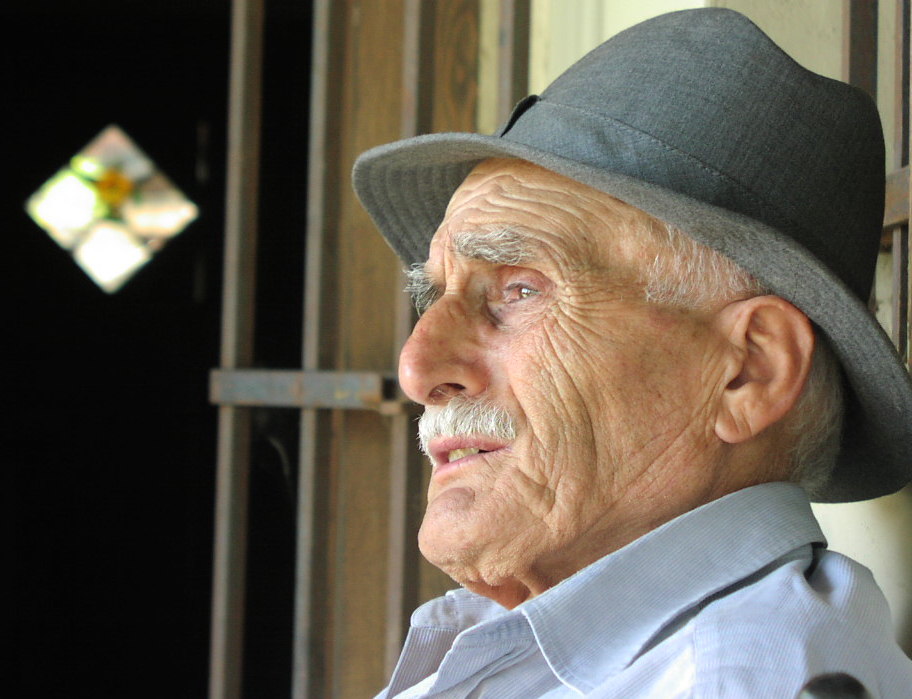
Sad older gentleman

Loneliness & depression can bring on other challenges

The Elderly and Suicide

So we’ve all heard of depression. We even seem to be aware of what causes it & how to overcome it, but do we really?

So what’s the big deal with depression?   The deal is…

In 2011 statistical report stated that someone over the age of 65 commits suicide every 90 minutes (16 deaths per day). In 2013 it was reported that this statistic had doubled. Elders, account for one-fifth of all suicides, but it only represents 12% of the population. White males over the age of 85 are at the highest risk and completion of suicide attempts, almost six times the national average. The suicide rate among elders is two to three times higher than in younger age groups. Elder suicide may be under-reported by as much as 40% or more. Omitted are “silent suicides”, i.e., completions from medical noncompliance and overdoses, self-starvation or dehydration, and “accidents.” The elderly have a high suicide rate because they use firearms, hanging, and drowning. The ratio of suicide attempts to completions is 4:1 compared to 16:1 among younger adults. “Double suicides” involving spouses or partners occur most frequently among the aged. Elder attempters have less chance of discovery because of greater social isolation and less chance of survival because of greater physical frailty and the use of highly lethal means.

What are the causes?

Elder suicide is associated with depression and factors causing depression, e.g., chronic illness, physical impairment, unrelieved pain, financial stress, loss and grief, social isolation, and alcoholism. Depression is tied to low serotonin levels. Serotonin, is a neurotransmitter in our brains that regulates and limits self-destructive behaviour.  As we age our Serotonin levels decrease placing us at greater risk. Depression remains under diagnosed and undertreated among the elderly population.

What are some of the key risk factors of elder suicide?

  • Loss of spouse.
  • A late onset depressive disorder.
  • A debilitating and/or terminal illness.
  • Severe chronic/intractable pain.
  • Decreasing independence and self-sufficiency.
  • Decreased socialization and social supports.
  • Risk often accumulates among the elderly. An individual may be white, male, and an alcohol user and then become a widower or depressed.

What are some of the myths of elder suicide?

  • It is the outcome of a rational decision and justified.
  • Elder victims are usually seriously or terminally ill.
  • Only very severely depressed elders are at risk of suicide.
  • Suicidal elders never give any indication of their intent.
  • The suicide of an older person is different from that of a younger individual.

What are the warning signs?

The following may indicate serious risk:

  • Loss of interest in things or activities that are usually found enjoyable
  • Cutting back social interaction, self-care, and grooming.
  • Breaking medical regimens (e.g., going off diets, prescriptions)
  • Experiencing or expecting a significant personal loss (e.g., spouse)
  • Feeling hopeless and/or worthless (“Who needs me?”).
  • Putting affairs in order, giving things away, or making changes in wills.
  • Stock-pilling medication or obtaining other lethal means

Other clues are a preoccupation with death or a lack of concern about personal safety. “Good-byes” such as “This is the last time that you’ll see me” or “I won’t be needing anymore appointments” should raise concern. The most significant indicator is an expression of suicidal intent.

Why aren’t community agencies or providers doing more service involvement with older men?

Community agencies basically serve elderly women who have a suicide rate well under the national mean for all ages. Community agencies may be little concerned because elder suicide is uncommon in their caseloads.

Agency philosophy:

The prevailing value in most services for the aged is to optimize self-sufficiency in terms of individual capability and safety. A commitment to autonomy may cause community agencies to let the client or patient control decisions on referrals to other resources, alerting relatives, or involving available services.

Agency Misconceptions:

  • Community agencies and providers may accept some of the myths about suicide such as:
  • If someone’s determined to commit suicide, no one can stop him or her.
  • Those who complete suicide do not seek help before their attempt.
  • Those who kill themselves must be crazy.
  • Asking someone about suicide can lead to suicide.
  • Pain goes along with aging so nothing can be done.
  • It makes sense for an old person to want to end their suffering.
  • Old people are used to death and loss and don’t feel them like younger folks.
  • Those who talk about suicide rarely actually do it.
  • How many health or human service professionals, other staff, and volunteers believe these statements to be true?

Lack of risk assessment:

A lack of attention to elder suicide and a concentration on client or patient self-determination and self-sufficiency may limit community agencies’ response. Most community agencies do not recognize the problem and consequently do little or no screening for it among their clientele.

What can community agencies do?

Individual prevention must focus on what drives suicide. “Doing something” basically comes down to caring. Community level prevention of late life suicides will require “creative partnerships of primary care providers. This means that senior centers, home care providers, hospices, adult day care, home-delivered meals programs, para-transit, and other organizations serving the elderly are going to have to team up with community mental health centers. This must start soon as the high-risk segment of the aged population is growing rapidly and the oldest baby boomers are within a few years of turning 65. The boomers will arrive in their “golden years” having manifested higher suicide rates on the way than prior generations.

If you think… This cannot be happening here in Canada, Think again!

Canada’s elderly are at high risk of suicide experts say, and Canadian men aged 85 to 89 have the highest rate of suicide. THE CANADIAN PRESS: Dr. Marnin Heisel says public awareness about suicide lets people know their physical and mental health problems can be treated effectively. Studies show that Canada’s elderly are at a much higher risk of suicide than adolescents, and there is growing concern among mental health experts that psychological care may be out of reach for most seniors. Dr. Marnin Heisel, a clinical psychologist and professor at the University of Western Ontario, says lack of public awareness of the issue is a key problem that affects not only the elderly but also their families and the public in general.

“One of the challenges that people face is thinking ‘I’m unique in this, I’m alone, there’s something wrong with me, no one can understand it,’ and then they tend to back away from family, other supports, including professional supports” Heisel said in an interview.

Public awareness lets the people struggling with these issues know that they are not alone and their physical and mental health problems can be treated effectively, he said. It may also cue their relatives into the fact that their older family members who are struggling with depression might be contemplating suicide, he said. “They might, as a result, begin asking their family (member) ‘How are you doing? Are you struggling with some of these things?’ or even asking them if they’ve thought of suicide.” A 2009 report by Statistic Canada states that men aged 85 to 89 have the highest rate of suicide among any age group in Canada, at a rate of about 31 per 100,000, and usually do so through more violent means. A report by the chief public health officer released the following year also showed that men over the age of 85 have on average higher suicide rates than all other age groups. For most Canadians, psychological services — which can easily run $100 or $200 an hour — are not covered by provincial and territorial health-care plans, but psychiatric services and medications generally are. Psychological care is covered only if it’s hospital-based. “But many if not most hospitals, at least in Ontario, typically don’t have very much in the way of psychological services and typically not for older adults,” said Heisel. “One thing we do know is that unless somebody has extremely good third-party health coverage, or they are a child in the school system, or a veteran, or if they have access to psychological services as a result of a motor vehicle collision — most Canadians can’t access psychological services unless they pay out-of-pocket. Heisel says research has shown that 75 per cent of older adults who die by suicide had seen a primary-care physician or provider within a month prior to ending their lives. “That suggests that primary care is a key place where we should be assessing for screening for suicide risk factors and then try to implement aggressive, meaning very focused, interventions,” Heisel said. “And we really don’t see that happening, literature supports that treatments works extremely well; it just requires funding to do that.” There’s also concern that many elderly suicides go undetected due to the way they are reported by coroners across Canada. “I can envision a circumstance, for example, where an elderly male is found (deceased) in a bed alone … maybe with no history of depression or suicidal thinking that he had expressed to anybody, and the coroner could determine that the death was due to natural causes and not even order an autopsy because of the age group,” said Dr. William Lucas, Ontario deputy chief coroner for inquest. “And if the person had used a relatively subtle means like an overdose of medications … that wasn’t obvious … we wouldn’t know,” he said. Heisel says research shows that when the means of death are more ambiguous, then suicide is more likely not to be detected. He goes on to say, “It’s somewhat frustrating because we really don’t know the full scope of the issue”. The frustration stems from the fact that many suicide prevention strategies are largely aimed at youth. That’s why he says he decided to speak publicly about the issue. Victims of depression say that family is what helps them the most in combating episodes of depression, in addition to staying physically active, mentally stimulated, including social companionship in their daily lives with interaction in the community. “Those are the good things in life when periods of depression start to creep in”.  Incorporate them to combat depression and from recurring episodes. One patient says… “Well if the glass is half empty, it must be half full … I try to forget about the half-empty side but what a wonderful half full my life is.” The following posted articles also speak to this issue in the same relative terms… it a bigger problem that we think and about to get bigger. Be sure to also read the posted comments from readers, as it further illustrates the issue in the elderly communities. Suicide rates climb among elderly in Canada. Elderly suicide rates hitting new highs as traditional social networks break down. Over the past years our aging population has skyrocketed. This growth is only expected to increase exponentially over the next 15-20 years. The issues we are currently facing and learning about are just the beginning of the cycle. Growing challenges relating to care of our elderly will continue to provoke our ideals of what is acceptable in our society. Anything that we have an answer for (treatment) is therefore a preventable measure… like the treatment for depression and respectively reduce depression related suicides.

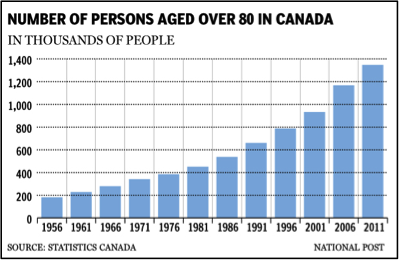
The following graphs illustrate the population growth for the following demographics.
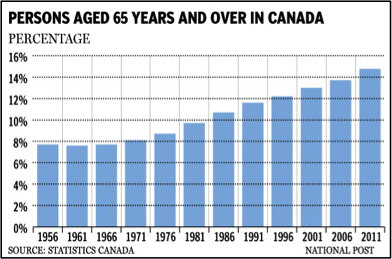
graph1depressionsuicide graph2depressionsuicide

For a more detailed population projection statistical review visit the Canadian Statistics web page.

It is within us to create an environment whereby our elders are cared for in a manner that protects them physically & holistically, paving the way for the future. Our campaign and advocacy to enriching the lives of our elderly should be one of our primary goals… “We ourselves are becoming to ones who will require care in the near future and our actions today will dictate the outcome for ourselves tomorrow”.

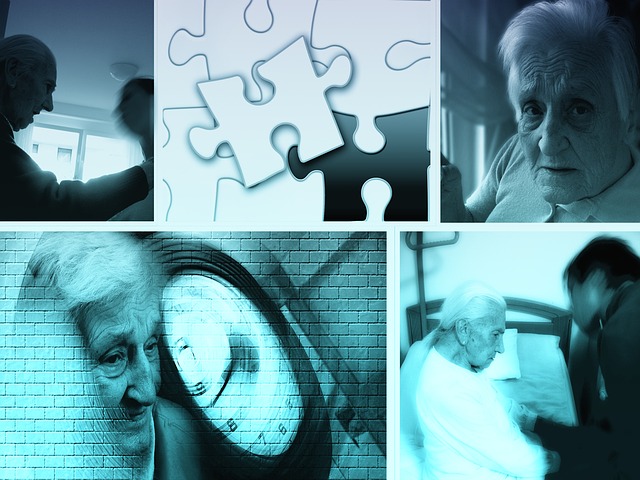
Senior Care: Depression in the Elderly

DepressionamonelderlyDepression among the Elderly population

According to Health Canada, older Canadians are living longer, more independently, healthier, and more affluent than ever before. Todays seniors are physically more active, engaged with their families, in their communities, and are becoming international globetrotters.

They are challenging many of the negative stereotypes we hold about aging and showing us that life is for living with fortitude, vitality, and vigour.

However, it is true that some seniors struggle from time to time with mental illness. For seniors living in the community, it is estimated that 5% to 10% will experience a depressive disorder that is serious enough to require treatment. The rate of anxiety and depression increases dramatically to 30% to 40% for seniors living in an institutional setting.

The great news is that for most people with depression (over 80%) do respond well to treatment and achieve a complete and lasting recovery. Sadly, 90% will NOT seek needed help or their depression will be missed or ignored, denying them beneficial treatment for mental health problems.

Why aren’t seniors getting the help they need?

  • Depression in the elderly can be difficult to recognize. It can easily be overlooked as a symptom of another medical condition.
  • Family, friends and medical personnel often see depression as a normal part of the aging process and the inevitable result of the losses of life we all will experience.
  • Family, friends and medical personnel often see depression as a normal part of the aging process and the inevitable result of the losses of life we all will experience.
  • Many seniors were raised to be self-sufficient and stoic in the face of life’s challenges making them reluctant to complain about how they are feeling or ask to for help. They are used to working hard to solve their own problems and feel ashamed by their inability to cope.
  • Some seniors (and possibly even their friends and family) don’t know that depression is an illness and that treatment is available and works!

How do I know if its depression?

Depression is more than just feeling sad. It affects the whole person including their feelings, thinking and their physical health. It also lasts a long time. It’s important to know what to watch for. Anxiety and slowing of thoughts are common symptoms. For many seniors depression is often expressed through many vague complaints of physical aches and pain. The most common symptoms of depression include:

Physical changes

  • Changes in appetite – a resultant weight loss or weight gain.
  • Sleep disturbances – trouble falling asleep, staying asleep or sleeping too much.
  • Some seniors (and possibly even their friends and family) don’t know that depression is an illness and that treatment is available and works!
  • Sleep, when it comes, does not restore and refresh. People often report feeling worse in the morning with the mood -lifting as the day goes on.
  • Decreased energy, with feelings of weakness and physical fatigue.
  • Some people experience agitation with restlessness and have a need to move constantly.
  • Phantom pains, headaches, muscle aches and pains, with no known physical cause.
  • Stomach upsets – constipation.

Changes in thinking

  • Thoughts may be confused or slowed down which makes thinking, concentrating or remembering information more difficult.
  • Decision-making is difficult and  or often avoided.
  • Obsessive ruminations, a sense of impending doom or disaster.
  • Preoccupation with perceived failures or personal inadequacies leading to a loss of self-esteem.
  • Becoming harshly self-critical and unfairly judgmental.
  • In extreme cases, there can be a loss of being in touch with reality, perhaps hearing voices (hallucinations) or having strange ideas (delusions).
  • Persistent thoughts of death, suicide or attempts to hurt oneself.

Changes in feeling

  • Loss of interest in activities that were once a source of pleasure.
  • Decreased interest in and enjoyment from sex.
  • Feelings of worthlessness, hopelessness, and excessive guilt.
  • Deadening or an absence of feelings.
  • Sense of overwhelming or impending doom.
  • Feeling sad, and down that may be worse in the morning, lifting as the day goes on.
  • Crying for no apparent reason.
  • Irritability, impatience, anger and aggressive feelings.

Changes in behaviour

  • Withdrawal from social and leisure activities.
  • Failure to make important decisions.
  • Neglecting duties such as housework, gardening, paying bills.
  • Decrease in physical activity and exercise.
  • Reduced self-care such as personal grooming, eating.
  • Increased use of alcohol or drugs (prescription and non-prescription).

Why is it important to treat depression in the elderly?

  • Depression throws a dark cloud over our emotional well-being, draining away pleasure, and robbing people of hope, further isolation, and despair.
  • Depression tends to last much longer in the elderly and can result in unnecessary or premature placement in institutional care.
  • If depression is not managed, it can compromise the treatment of other conditions and can increase the risk of prolonged disability or early death.
  • Untreated depression can also leave seniors more vulnerable to developing other serious health conditions such as heart disease, infections and immune disorders.
  • Depression can make people feel angry, irritable and anxious. This can rob families of the pleasure of their loved one’s company and place an additional burden on care providers.
  • The risk of suicide in elderly is high and it is particularly high for depressed elderly men.

What factors can increase the risk of depression in the elderly?

  • The presence of other illnesses, which compromises their ability to get around and be independent.
  • Some medications or the interaction between medications are associated with depression.
  • Living with chronic or severe pain.
  • Living alone without a supportive network of friends, social interaction, and family.
  • The recent death of a loved one or fear of own death.
  • A previous history of depression or family history of depressive disorder.
  • A past history of suicide attempt(s).

Illness increases the risk of depression

There are a number of medical conditions that are associated with depression in the elderly. Some are:

  • Heart problems including having a stroke
  • Low thyroid activity
  • A lack of vitamin B12 or folic acid
  • Low blood pressure
  • Rheumatoid arthritis
  • Cancer
  • Diabetes

Commonly prescribed medications are also associated with depression or making depression worse such as:

  • Blood pressure medications
  • Beta-blockers
  • Steroids
  • Digoxins
  • Sedatives

Treatments involving these medications may warrant a discussion with the treating physician to rule out their use as the cause of the depression. Don’t stop medications without advice as a sudden discontinuation can have serious health consequences when the body struggles to adjust.

What can we do to help our loved one overcome depression?

Medication

Usually relief is felt within a few weeks of starting medications, however it can take longer for older people to feel better. Sleep and appetite are usually the first to improve. Don’t expect a complete recovery right away. It usually takes about ten to twelve weeks to lift out of depression. Often those close to you who will see an improvement in your mood before you begin to feel it.

Build social supports

The paradox of depression is that at a time when you most need to draw people close – you may want to avoid contact with others. However, most people find that the support of family, caregivers, friends, participation in a self-help group, or talking with a professional counselor can be very helpful in overcoming depression. Dealing with social isolation is an important part of healing and can help prevent further episodes of depression. Many conducted studies show that being part of a supportive family, being part of a religious group or being active in your community is an important part of health, wellbeing and improved quality of life.

Talk therapy

Psychotherapy can be very helpful in dealing with losses, solving challenging problems or dealing with the social impact of depression. Cognitive therapy can help you look at your thought patterns, which may be negative and self-criticizing. It will also help you make the connection between your thoughts, feelings and behaviours. What you think affects how you feel and how you behave.

Electroconvulsive therapy (ECT)

ECT is a treatment that uses electrical impulses to change the chemical balance in the brain. It is often used as a treatment of last resort for those patients who have not responded well to other forms of treatment, who remain a suicide risk, or have other serious medical conditions that prevent the use of medication. It remains controversial, so it is important to do your research so you can make an informed decision.

What factors protect seniors from depression and build resilience?

Have you ever wondered why some people just seem happy or are able to weather the inevitable storms that life throws their way with wisdom and grace? So have researchers and they have learned a lot about what builds healthy resilience, makes for a happy engaged life and helps us cope during difficult times. Some of us are just blessed with a happy, easygoing temperament. The rest of us may have to work at it.

What have we learned about how to maintain good mental health throughout the life cycle?

The self-help mantra is, “Never get too angry, too lonely, too tired or too hungry”. This is really good advice for living a healthy balanced life. People who have experienced a mood disorder learn quickly how true this motto is. If your balance is off in one of these areas, it is important to take active steps to gain control of your health. Having strong family, friendships and community supports will go a long way in keeping you free from depression.

Health Canada reports that more and more elderly are spending time alone – going days at a time without seeing or talking to another person. This is not good for our mental health and can lead us to become too inward in our thinking. Changes in our social network are an inevitable part of life. Family members grow up, move away or get busy with their daily lives. Retirement takes us out of the mainstream of working life. As we age, death becomes an unfortunate companion robbing us of people we loved and cared for. Sickness can sap our strength and take away our vitality. All of these changes can cause us to lose valuable sources of support and connection. You may feel it is too late to build new friendships – that too much effort is required to add new interests and people into your social network. But it’s worth the investment. Research shows us time and time again that people with a well-developed social network have better physical and emotional health and an improved quality of life.

Tips for building social supports

Take the time to consider what you like. Start small – adding one new thing at a time. Be patient – it may take some research to find the activities that will suite you best. Become a risk taker – try doing something you have never done before. Buddy up with someone else in trying new things out. Lend a helping hand to others. There is nothing that builds confidence like helping others.

Become a joiner!

  • Check out the local community Centre for seniors clubs and social programs.
  • Join a book club, choir, bridge group, or gardening club.
  • Let your family know you would like to spend more time together. Be specific in your asking.
  • Rekindle a hobby or up a new hobby.
  • Become a mentor for a young person.
  • Volunteer your time.
  • Get involved in a political party.
  • Find out about how to get involved in your community.

Get physically active

Recent research has found that moderate exercise and weight lifting – yes lifting barbells – has a remarkable ability to treat depression in the elderly. In fact, moderate exercise has been found to be as effective in treating mild depression as medication. Strengthening your muscles has also been found to reduce the risk of falling and hip fractures – the number one reason seniors end up in institutional care.

An exercise program should include active movement to build balance and coordination, stretching to improve flexibility by moving your joints through their full range of motion, ways to strengthening your muscles, and, finally, activities to get your heart pumping. Consider joining a senior’s exercise program in your community to strengthen your social network as well as your body… Just do it!

Exercise your mind

Along with aging often come subtle changes in brain functioning. It may not seem as easy to remember names. Learning new skills can seem harder. But just like your body, a healthy nimble mind requires active exercise. Think of ways you can challenge your brain. Play chess, bridge, and computer games or do crossword puzzles. Consider taking an adult education course – anything that will exercise the grey matter.

Eat well

Diet plays an important role in preventing illness and keeping us well. The absence of essential minerals and vitamins is associated with many serious health problems including depression. Many elderly people neglect this important part of their health. If you live alone, it may not seem worth the effort to cook yourself a meal. Depression can also rob people of their appetite. Use the clock to tell you when to eat if your body doesn’t let you know when you are hungry. Restore balance by starting to keep track of what you are eating.

Tips for healthy eating:

  • Consider taking a multi-vitamin every day.
  • Build variety into your diet.
  • Keep healthy foods easily available.
  • Choose whole grain and enriched grain products.
  • Choose fresh foods over manufactured foods.
  • Choose dark green and orange vegetables more often.
  • Lower the fat level in your milk and choose leaner cuts of meat.
  • Consider poultry, fish, dried beans and lentils as an alternative to red meat.
  • Drink plenty of water.
  • Take care in your use of alcohol.
  • Strive for a healthy body weight.
  • Use Canada’s Food Guide as your reference to healthy eating.

Express your feelings

Recent research suggests that the ability to express your feelings clearly and directly has a positive and beneficial effect on mental health, life satisfaction and personal well-being. Talking about concerns helps you organize your thinking and clarify your thoughts. Keeping a personal diary is helpful even if you never share these thoughts with others. It can also help you gain insight into your moods by tracking what is going on in your life and how you are feeling. In this way you can take steps to address problems before they become overwhelming.

Feed your soul

Having a strongly held belief system has been found to be one of the protective factors for good mental health. If you are not currently involved with a religious group, consider finding a place of worship in your community that makes you feel welcome. If you don’t have strong religious beliefs or a group to which you hold affiliation, try learning more about different religious groups. Perhaps by exploring other beliefs you will find a spiritual home. But spirituality is not confined solely to religion. Many people find great conform in art, nature, theatre, and other pursuits.

Music soothes the savage breast – singing ignites the soul

There is nothing more stirring than listening to music – except perhaps playing it or singing along. In fact, music can help to sooth anxious nerves and lift your spirit. Consider joining a choir or sing along to your favourite tunes. Just make sure you add a dose of music to your day.

Turn loneliness into solitude and know the difference

Too much time alone can leave us feeling distant, isolated and lonely. This can worsen feelings of depression. We all have our own comfort level about how much time we like to be with others. Pay attention to how you are spending your time. If you are spending too much time alone, take steps to add balance. That said, finding comfort in one’s own company is also an important part of a happy healthy life.

Care for a pet

Looking after a pet is a big responsibility and a lot of work. But boy, is it worth it. Scientists have looked closely at the effect that pets have on our health. They have found that seniors who live with and care for pets have better physical health and mental well-being than those who don’t. They are also better able to cope with stress and are more physically and socially active. Pets have even been found to lower blood pressure. Having a pet has also been found to reduce the risk of suicide in people when they are depressed. Their unconditional love and affection provides valuable company, keeps you active and helps to draw others to you.

Keep a positive attitude

Being thankful is a cornerstone of emotional well-being. In fact, some research suggests that maintaining a positive outlook on life can boost your immune system and protect you from illness. Sickness and loss has a nasty way of dominating the thinking of people as they age. While your aches and pains and past surgeries are of pressing concern and interest to you – they may not make good conversation for others. Try to avoid dwelling too much on the negatives of life. Instead take time to count your blessings. Seek out positive people. Broaden your network to include people of different ages and backgrounds. Get out of the rut of daily life by trying new things. Become a great conversationalist by sharing stories. Keep up on current affairs and popular shows. Share with others what you like and what you value. Make sure to take an interest in their views too. Listen actively to what they say and ask questions. Everyone has a fascinating story to tell if you just take the time to ask. Focusing on positive communication helps to bring people close and helps you keep your thinking open to new ideas.

Laugh out loud and laugh a lot

Research again shows us that there is powerful healing in laughter. It changes our brain chemistry in a positive way and helps us look at problems in new and creative ways. So – go rent a Marx Brothers film or whatever brings a smile to your face.

Ask for help if you need it

Don’t be afraid to ask for help. It is a sign of strength, health and maturity. Working through concerns with a professional can bring out new ideas and offer a fresh perspective in solving problems. Having help can help you stay in charge of making your own decisions.


The above tips are gatherings from various sources, but for more in-depth information on some of the aforementioned topics, I offer the following readings:

Beating the Senior Blues: How to Feel Better and Enjoy Life Again, by Leslie Eckford and Amanda Lambert, New Harbinger Pub. 2002

There is an excellent review of depression treatments for older adults from the US Surgeon General at

Health Canada produces an interesting monthly newsletter updating readers on recent research related to the elderly. Division of Aging & Seniors

Wherever You Go There You Are: Mindfulness Meditation in Everyday Life by Jon Kabat-Zinn

Full Catastrophe Living: Using the Wisdom of Your Body and Mind to Face Stress, Pain, and Illness by Jon Kabat-Zinn

Senior Care: What is Alzheimer’s?

So what exactly is Alzheimer’s

Alzheimer’s disease is a progressive neurological disease that, over time, results in the brain’s inability to function correctly. Alzheimer’s disease causes lapses in memory, communication, judgment and overall functioning.

alzheimers-article picAlzheimer’s was first identified by Alois Alzheimer in 1906 in Germany and is the most common type of dementia, a general term for impaired brain functioning. Other dementias include frontotemporal dementia, Huntington’s disease, vascular, Lewy body dementia, Parkinson’s disease dementia, and Creutzfeldt-Jakob disease. Dementia can also develop from potentially reversible conditions such as normal pressure hydrocephalus or vitamin B12 deficiency, as well as severe infections such as late-stage AIDS.
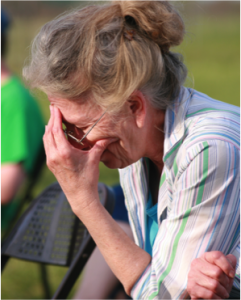
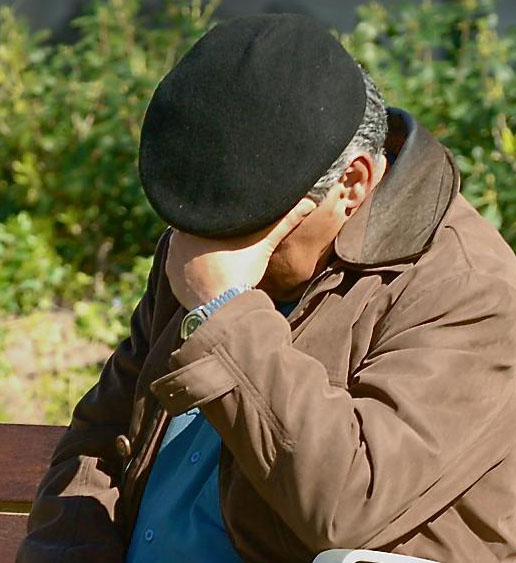
There are two types of Alzheimer’s disease: early onset Alzheimer’s, defined by onset before age 60, and late onset, or typical, Alzheimer’s.

Symptoms and Effects of Alzheimer’s

Symptoms of Alzheimer’s include problems with memory, communication, comprehension, and judgment. The individual’s personality may begin to change somewhat as well.

As the disease progresses, the individual gradually loses the ability to function mentally, socially, and eventually physically. Often in the middle stages of Alzheimer’s, he or she may also display inappropriate behaviours and emotions, which can be challenging for loved ones to handle. In its final stages, the person is completely dependent upon caregivers for basic needs.

Who Gets Alzheimer’s Disease?

There are an estimated 5.4 million people in the United States with Alzheimer’s or a related dementia, although not all are diagnosed. Additionally, researchers estimate that as many as 500,000 of those 5.4 million people in the United States have early onset Alzheimer’s. Alzheimer’s is not part of normal aging; however, as people age, the likelihood of developing Alzheimer’s increases.

Thirteen percent of individuals over age 65 have Alzheimer’s or another form of dementia, while almost 50% of individuals over age 85 have Alzheimer’s or another kind of dementia. The demographic group with the highest percentage of Alzheimer’s is Caucasian females, likely since their life expectancy is the greatest.

Diagnosing Alzheimer’s

Diagnosing Alzheimer’s disease is done, by ruling out other diseases or causes, reviewing family history and conducting a mental exam to see how well the brain is working. Some physicians also conduct imaging tests, which can show changes in the brain’s size and structure that may lead to the conclusion of Alzheimer’s.

While general practice physicians often diagnose Alzheimer’s, you can also seek an evaluation from a psychologist, geriatrician, or neurologist. Alzheimer’s cannot conclusively be diagnosed until after death when an autopsy is conducted and brain changes can be identified; however, diagnosis through the above tools is the industry standard at this time and has proven very accurate.

Treatment of Alzheimer’s

Alzheimer’s has no cure at this time, but determining more effective treatment and prevention methods, as well as finding a cure for the disease, is a high priority for researchers. Current treatment for Alzheimer’s focuses on alleviating the symptoms of Alzheimer’s, both cognitive and behavioural, by using drug therapy and non-drug approaches.

Drug Therapy

  • Cognitive enhancers are medications that attempt to slow the progression of Alzheimer’s symptoms. While these medications do appear to improve thought processes for some people, the effectiveness overall varies greatly. These medications need to be monitored regularly for side effects and interaction with other medications.
  • Psychotropic medications can be prescribed, to target the behaviour and emotional symptoms of Alzheimer’s. Psychotropics are medications that address the psychological and emotional aspects of brain functioning. For example, if a person is experiencing distressing hallucinations, a psychotropic medication, such as an antipsychotic medication, can be prescribed and is often helpful in relieving the hallucinations. As with cognitive enhancers, psychotropics have the potential for significant side effects and interaction with other medications, so they should be used carefully and be coupled with non-drug approaches.

Non-Drug Approaches

Non-drug approaches focus on treating the behavioural and emotional symptoms of Alzheimer’s by changing the way we understand and interact with the person with Alzheimer’s. These approaches recognize that behaviour is often a way of communicating for those with Alzheimer’s, so the goal is to understand the meaning of the behaviour and why it is present.

Non-drug approaches should generally be attempted before using psychotropic medications since they do not have the potential for side effects or medication interactions.

The goal of these approaches is to develop more effective interventions by adjusting the caregiver’s approach or the environment to minimize the challenging behaviours.

Preventing Alzheimer’s

There are abundant theories about how to prevent Alzheimer’s, but currently there is no sure-fire way to do this. A heart-healthy diet, an active lifestyle with plenty of physical exercise and social interaction, and regular mental exercise are strategies that some feel are effective in preventing Alzheimer’s.

Coping With Alzheimer’s

If you think that you or someone you know may have Alzheimer’s, know that we are here for you, both to provide current information and also to facilitate the sharing of ideas and suggestions from others in your situation. Being proactive and prepared can ease some of the challenges of this disease for you and your family. Coping with Alzheimer’s is not easy, but it’s not something you need to do alone.

Please contact us today, to discuss any of the above mentioned challenges you may be facing and how our services can help you remain independent, protected, safe, and in you home / community.

You got questions, we have answers: (905) 785-2341 or email us at homecare@inourcareservices.com


Sources:

Alzheimer’s Association What is Alzheimer’s? Accessed July 12, 2011.

Alzheimer’s Association Basics of Alzheimer’s Disease. Accessed July 12, 2011.

PubMed Health US National Library of Health. What is Alzheimer’s Disease? Accessed July 12, 2011.


Senior Care: Alzheimer’s Symptoms

Symptomsalzheimers

Alzheimer’s Symptoms

We all have those times when we think, “What was his name? I know I met him before. Was it Jim? Tim?” Or, “I know I have it somewhere. If I can just remember where I put it!”. If you’re like me, these moments happen frequently in the busy pace of life. However, there is a significant difference between being absent-minded or preoccupied and having a true progressive memory problem such as Alzheimer’s disease. Here are four warning signs that could indicate a more serious problem:

  • You lose your keys. When they’re found, you have no recollection of how they might have gotten there.
  • You always were a fantastic cook, but lately even making coffee seems more difficult. You wonder who has been messing around with your coffeemaker.
  • You’re great at covering for yourself. For example, when someone asks you a question to which you don’t know the answer, you turn the question around by saying with a chuckle, “I’m not sure. What do you think?”
  • You’ve had a hard time recently balancing your chequebook, even though that’s always been your job.

If these symptoms paint a picture of you or someone you love, seek an evaluation from a physician, geriatrician or psychologist.

Symptoms of Early, Middle and Late Stage Alzheimer’s Disease

While Alzheimer’s disease has been described as having seven stages, the symptoms of Alzheimer’s can also be collapsed into three broad stages: early, middle, and late. Remember that symptoms can overlap and may vary in each person with Alzheimer’s.

Early (Mild) Stage Symptoms:

In early-stage Alzheimer’s, individuals may still function quite well overall. Although they may be aware of the increasing difficulty with certain tasks, they are also often quite skilled at hiding this from others by deflecting questions, changing the topic, or relying on their family or loved ones to make decisions or answer questions. Some persons also begin to withdraw, perhaps due to their uncertainty over their ability to cope with decisions or social interaction. Notice that in this stage, long-term memory typically remains intact.

Middle (Moderate) Stage Symptoms:

  • Significant personality changes, such as being argumentative, impulsive, angry
  • Resistive to, or combative with, physical care, even (sometimes especially) when provided by a loved one
  • Short-term and long-term memory loss
  • Increased difficulty communicating with others
  • A “love-hate” relationship with their caregivers; for example, extremely dependent on but also very unkind toward a spouse or adult child
  • Potential for wandering away from home
  • Very poor judgment and decisions
  • Often the physical abilities still remain intact here, such as their ability to walk around
  • Sometimes incontinence becomes a concern

Moderate, or mid-stage, Alzheimer’s is often the most difficult stage. While some individuals remain “pleasantly confused” throughout the entire disease, many display inappropriate behaviours and emotions. They may be quite restless and become paranoid or have hallucinations, or refuse to let you help them with a bath or getting dressed. They may get up several times in the night, and rummage through the same drawers repeatedly. This middle stage of Alzheimer’s can be very taxing for the primary caregiver, and this is often when in-home help is hired or the person is placed in a facility such as an assisted living or a nursing home.

Late (Severe) Stage Symptoms:

  • Decreased ability to interact with others
  • Ability to recognize people diminishes
  • Physical decline, such as inability to walk or talk
  • Difficulty with eating, even with assistance
  • Apparent withdrawal from surroundings
  • Incontinence

In this final stage of Alzheimer’s, people are often are quite immobile, and spend much of their time in bed or a wheelchair. They are no longer able to respond much to others, although you may occasionally receive a smile or hear some attempts at language. The behaviour challenges of mid-stage Alzheimer’s are replaced with what looks like complete withdrawal; however, these individuals can still benefit from gentle conversation, holding their hand or giving them a hug, visual stimulation such as colours and pictures, and especially hearing music. Individuals with late-stage Alzheimer’s become more prone to illnesses as their body loses strength. Often, infections like pneumonia eventually cause their death.

Diagnosis and Treatment

If you see yourself or your loved one described in these symptoms, contact a physician, psychologist or neurologist to arrange for an evaluation. Diagnosing Alzheimer’s disease involves several tests to rule out other conditions and is an important first step in treatment and management of the disease.


Sources:

Alzheimer’s Association; Stages of Alzheimer’s. Accessed July 8, 2011. US National Institutes on Health. National Institute on Aging. Accessed July 10, 2011.

Senior Care: What Is Dementia?

Dementia articleWhat is Dementia?

Dementia, is a broad term that refers to a deterioration in brain functioning. It can include thought processes, judgment, reasoning, memory, communication and behaviour.

What’s the Difference Between Alzheimer’s and Dementia?

Dementia is a broad category, while Alzheimer’s disease is a specific type, and the most common cause, of dementia. Other kinds of dementia include Huntington’s disease, frontotemporal degeneration, vascular disease, Creutzfeldt-Jakob disease, and Parkinson’s dementia.

 What Are the Symptoms of Dementia?

Dementia symptoms can included, but not limited to the following:

Cognitive changes

  • Memory loss
  • Difficulty communicating or finding words
  • Difficulty with complex tasks
  • Difficulty with planning and organizing
  • Difficulty with coordination and motor functions
  • Problems with disorientation, such as getting lost

Psychological changes

  • Personality changes
  • Inability to reason
  • Inappropriate behavior
  • Paranoia
  • Agitation
  • Hallucinations

What Causes Dementia?

Dementia involves damage of nerve cells in the brain, which may occur in several areas of the brain. Dementia may affect people differently, depending on the area of the brain affected.

Dementias can be classified in a variety of ways and are often grouped by what they have in common, such as what part of the brain is affected, or whether they worsen over time (progressive dementias).

Some dementias, such as those caused by a reaction to medications or an infection, are reversible with treatment.

The risk of developing dementia increases as people age, but it is not a normal consequence of aging.

Prevalence of Dementia

As of 2010, more than 35.6 million people worldwide are living with dementia, or more than the total population of Canada. The global prevalence of dementia stands to double every 20 years, to 65.7 million in 2030, and 115.4 million in 2050.

Approximately half of people over the age of 85 develop Alzheimer’s disease, the most common cause of dementia. Currently, 5.4 million Americans suffer from Alzheimer’s or another dementia.

In 2011, the first wave of the baby boomers turned 65. Between 2 per cent and 10 per cent of all cases of dementia start before the age of 65 an the risk for dementia doubles every five years after age 65.

Diagnosis of Dementia

Doctors employ a number of strategies to diagnose dementia. It is important that they rule out any treatable conditions, such as depression, normal pressure hydrocephalus, or vitamin B12 deficiency, which can cause similar symptoms.

Early, accurate diagnosis of dementia is important for patients and their families because it allows early treatment of symptoms. For people with AD or other progressive dementias, early diagnosis may allow them to plan for the future while they can still help to make decisions. These people also may benefit from drug treatment.

Early, accurate diagnosis of dementia is important for patients and their families because it allows early treatment of symptoms, including:

  • Patient history
  • Physical examination
  • Neurological evaluations
  • Cognitive and neuropsychological tests
  • Brain scans
  • Laboratory tests
  • Psychiatric evaluation

If you suspect someone has dementia, arrange for a doctor’s appointment for an evaluation. Sometimes, reversible conditions such as normal pressure hydrocephalus or vitamin B12 deficiency can cause confusion or memory loss. An assessment by a doctor can determine if any of those reversible health concerns exist, as well as outline a plan for treatment.

Treatment of Dementia

While treatments to reverse or halt disease progression are not available for most of the dementias, patients can benefit to some extent from treatment with available medications and other measures, such as cognitive training.

Not withstanding the aforementioned regarding treatment of dementia. Some Medications that are approved specifically to treat Alzheimer’s disease are often prescribed to treat other kinds of dementia as well. While some people report seeing very little benefit, others report that these medications seem to temporarily improve cognitive functioning and slow the progression of dementia. Other ways to respond to changes in cognition and behaviour include non-drug approaches like maintaining a daily routine, changing how caregivers respond to the person with dementia, and paying attention to non-verbal communication from your loved one.

Preventing Dementia

There is no sure-fire way to prevent all types of dementia.

However, research suggests a healthy lifestyle can help lower your risk of developing dementia when you are older. It can also prevent cardiovascular diseases, such as strokes and heart attacks.

To reduce your risk of developing dementia and other serious health conditions, it’s recommended that you: 

  • eat a healthy diet 
  • maintain a healthy weight 
  • exercise regularly 
  • don’t drink too much alcohol 
  • stop smoking (if you smoke) 
  • make sure to keep your blood pressure at a healthy level


Please contact us today, to discuss any of the above mentioned challenges you may be facing and how our services can help you remain independent, protected, safe, and in you home / community.

You got questions, we have answers: (905) 785-2341 or email us at homecare@inourcareservices.com


Senior Care: Alzheimer’s & Dementia

Alzheimers

Caring for people with Alzheimer’s and Dementia

While there’s nothing wrong with bingo as an activity, there are many reasons to think creatively when it comes to activities for those with Alzheimer’s disease and other kinds of dementia.

One of the keys is that the activity should be meaningful for the person. Often, meaning is tied to past occupation or hobbies, so what’s meaningful for one person might not be so for another. Whether you’re caring for a loved one in your own home or for a patient at a facility, consider the person’s interests, occupation and passions. If you work in a facility and don’t know the person’s history, ask their family members or observe their reaction to different activities. Then, choose a few activities they’ve responded well to and note the areas of interest. Here are a few types of people and corresponding activities to consider.

  • The Homemaker For those individuals who primarily took care of a home, you might offer a cloth to dust dressers or handrails, or to wash the table. They might enjoy folding a basket of washcloths and towels, or the task of setting the table. The object here is not to have the individual do large amounts of work, but rather to give the person something familiar and meaningful to do.
Just a note here. If you’re using this idea in a facility, you may want to ask the physician for an order that allows therapeutic work and receive permission from the family as well.
  • The Fix It Individual Was your loved one the fixer, the handyman, or the go-to guy? Maybe he’d like to sort through and match up nuts and bolts, or tighten screws into pieces of wood. Perhaps he’d like to connect smaller PVC pipes together. There are also activity boards with lots of “to do” things attached that you can purchase.
  • The Mechanic If his passion is cars, maybe he’d enjoy looking at pictures of old cars or tinkering with smaller engine parts. Some towns hold car events where older cars are displayed or driven down a road; if yours does, consider bringing him to that event. He also may be able to help you wash the car.
  • The Pencil Pusher For the person who sat at a desk and worked with papers, pens and pencils, she might love having a pile of papers to file, an adding machine or calculator to use, forms to complete or documents to read. Some people might like carrying a notebook and pen around to write down information.
  • The Musician If music is her thing, offer her opportunities to use this gift. People in the early to mid-stages of Alzheimer’s may be able to sing in a choir or play the piano. I know one woman with dementia who leads a sing-along almost daily because of her musical gifts. She’ll even take requests for which songs to play, and despite her poor memory, plays songs almost faultlessly.
If he enjoys listening to music rather than performing it, make recordings of his favorite songs and play them for him.
  • The Parent / Caregiver Have you ever noticed how people with dementia often brighten up and take note when babies and children are around? A child can often get a response when adults fail. Interactions with children and babies have been a normal part of many people’s lives. Sometimes when a person is living in a facility with other people of similar age or living at home and not getting out often, they no longer interact regularly with kids. Create opportunities for interaction with kids, whether that’s arranging for a visiting time, going on a walk together or bringing by your new baby to a facility near you.
Some older adults, particularly women, may also enjoy holding and caring for a baby doll. Often, the person connects with that baby doll and enjoys the sense of a familiar role in caregiving for the doll
  • The Animal Lover If your family member loves pets, consider having him walk the dog with you or brush the dog’s hair. If he’s not able to do these things, he might enjoy having a bird or two in a cage or a fish aquarium to watch. 
In the middle to late stages of Alzheimer’s, some people are comforted by holding a stuffed kitten or puppy. I’ve often observed them stroking the fur and holding it close.
  • The Gardener Is she an accomplished gardener? Provide her with a place to plant seeds, water them and watch them grow. She might also enjoy flower arranging or harvesting and preparing vegetables.
  • The Puzzler Although people with dementia typically have impaired memories, some of them are still quite capable of doing crossword puzzles, word searches and jumbles. Others might enjoy simple jigsaw puzzles as well. Have some different puzzle opportunities sitting out for your loved one to do.
  • The Engineer If he collected trains growing up, or is simply fascinated by them, consider setting up an electric train so he can help arrange the tracks or simply watch the activity. You can also gather a book collection or movies about trains.
  • The Sports Fan Provide the avid sports lover the chance to mini putt, do Wii bowling, play the beanbag tossing game or watch a little league baseball game. You can also arrange for several people to get together to watch the big game on television and eat some junk food, or, I mean healthy alternatives. Or, perhaps he’d get a kick out of sorting through and organizing baseball cards.
  • The Artist Art provides a creative outlet to make something, so it provides a purpose and a task. Gather some non-toxic clay, watercolor paints, washable markers, colored pens or pencils, and paper. You can use these materials in a directed way i.e. “Here’s some clay for you. Today let’s try to make a flower vase” or a non-directed way “There’s art supplies laid out on the table. Feel free to choose any color of paint to get started.” Clay and paint are great for tactile stimulation and they provide a way to occupy and strengthen the hands as well.
  • The Faithful Don’t neglect this important area. For many people, as they age, the importance of spiritual nurturing increases. Offer them books of faith in keeping with their tradition, times of prayer or meditation, or singing together.

Sources:

Alzheimer’s Society. Keeping active and staying involved. Accessed August 23, 2012.