
The “C” Word


cancer-image


Hearing the word “Cancer” strikes fear, anxiety, stress, grief, psychological trauma, a shift in mind set and suicide. Cancer in the minds of many is a death sentence. Please read a summary of top researchers… in concise everyday language.

 

Cancer can start almost anywhere in the human body, which is made up of trillions of cells. Normally, human cells grow and divide to form new cells, as the body needs them. When cells grow old or become damaged, they die, and new cells take their place.

When cancer develops, however, this orderly process breaks down. As cells become more and more abnormal, old or damaged cells survive when they should die, and new cells form when they are not needed. These extra cells can divide without stopping and may form growths called tumours.

Many cancers form solid tumors, which are masses of tissue. Cancers of the blood, such as leukemias, generally do not form solid tumours.

Cancerous tumours are malignant, which means they can spread into, or invade, nearby tissues. In addition, as these tumours grow, some cancer cells can break off and travel to distant places in the body through the blood or the lymph system and form new tumours far from the original tumour.

Unlike malignant tumours, benign tumours do not spread into, or invade, nearby tissues. Benign tumours can sometimes be quite large, however. When removed, they usually don’t grow back, whereas malignant tumours sometimes do. Unlike most benign tumours elsewhere in the body, benign brain tumours can be life threatening.
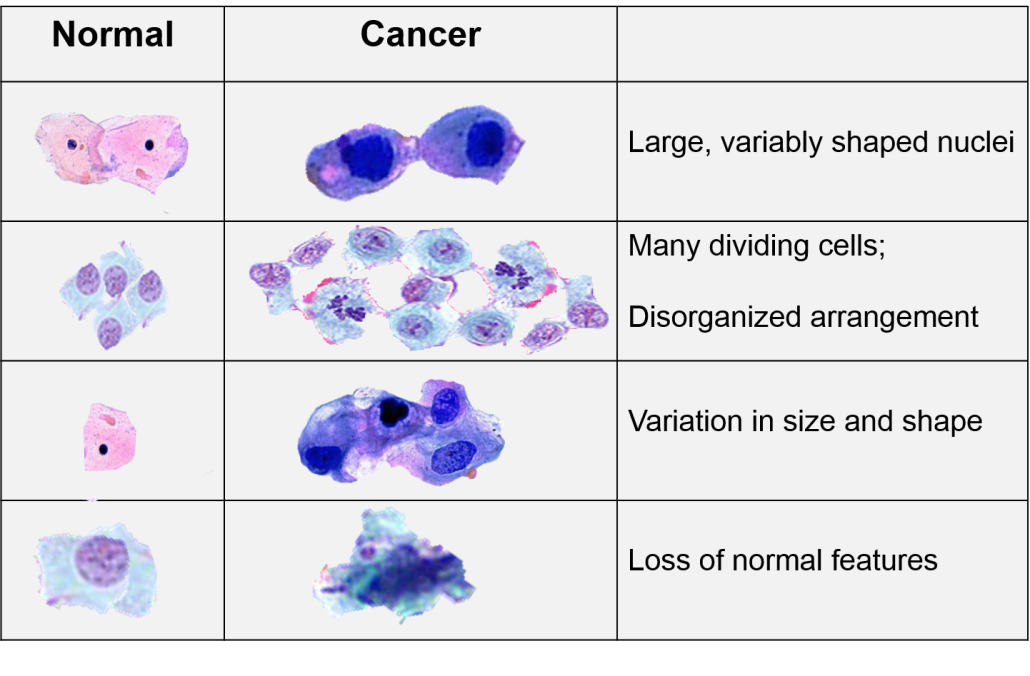
Characteristics of Cancer Cells

There are more than 100 types of cancer. Types of cancer are usually named for the organs or tissues where the cancers form. For example, lung cancer starts in cells of the lung, and brain cancer starts in cells of the brain. Cancers, also may be described by the type of cell that formed them, such as an epithelial cell or a squamous cell.


Here are some categories of cancers that begin in specific types of cells:

Carcinoma

Carcinomas are the most common type of cancer. They are formed by epithelial cells, which are the cells that cover the inside and outside surfaces of the body. There are many types of epithelial cells, which often have a column-like shape when viewed under a microscope. Carcinomas that begin in different epithelial cell types have specific names:

Adenocarcinoma is a cancer that forms in epithelial cells that produce fluids or mucus. Tissues with this type of epithelial cell are sometimes called glandular tissues. Most cancers of the breast, colon, and prostate are adenocarcinomas.

Basal cell carcinoma is a cancer that begins in the lower or basal (base) layer of the epidermis, which is a person’s outer layer of skin.

Squamous cell carcinoma is a cancer that forms in squamous cells, which are epithelial cells that lie just beneath the outer surface of the skin. Squamous cells also line many other organs, including the stomach, intestines, lungs, bladder, and kidneys. Squamous cells look flat, like fish scales, when viewed under a microscope. Squamous cell carcinomas are sometimes called epidermoid carcinomas.

Transitional cell carcinoma is a cancer that forms in a type of epithelial tissue called transitional epithelium, or urothelium. This tissue, which is made up of many layers of epithelial cells that can get bigger and smaller, is found in the linings of the bladder, ureters, and part of the kidneys (renal pelvis), and a few other organs. Some cancers of the bladder, ureters, and kidneys are transitional cell carcinomas.

Sarcoma

Sarcomas are cancers that form in bone and soft tissues, including muscle, fat, blood vessels, lymph vessels, and fibrous tissue (such as tendons and ligaments).

Osteosarcoma is the most common cancer of bone. The most common types of soft tissue sarcoma are leiomyosarcoma, Kaposi sarcoma, malignant fibrous histiocytoma, liposarcoma, and dermatofibrosarcoma protuberans.

Leukemia

Cancers that begin in the blood-forming tissue of the bone marrow are called leukemias. These cancers do not form solid tumors. Instead, large numbers of abnormal white blood cells (leukemia cells and leukemic blast cells) build up in the blood and bone marrow, crowding out normal blood cells. The low level of normal blood cells can make it harder for the body to get oxygen to its tissues, control bleeding, or fight infections.

There are four common types of leukemia, which are grouped based on how quickly the disease gets worse (acute or chronic) and on the type of blood cell the cancer starts in (lymphoblastic or myeloid).

Lymphoma

Lymphoma is cancer that begins in lymphocytes (T cells or B cells). These are disease-fighting white blood cells that are part of the immune system. In lymphoma, abnormal lymphocytes build up in lymph nodes and lymph vessels, as well as in other organs of the body.

There are two main types of lymphoma:

Hodgkin lymphoma – People with this disease have abnormal lymphocytes that are called Reed-Sternberg cells. These cells usually form from B cells.

Non-Hodgkin lymphoma – This is a large group of cancers that start in lymphocytes. The cancers can grow quickly or slowly and can form from B cells or T cells.

Multiple Myeloma

Multiple myeloma is cancer that begins in plasma cells, another type of immune cell. The abnormal plasma cells, called myeloma cells, build up in the bone marrow and form tumors in bones all through the body. Multiple myeloma is also called plasma cell myeloma and Kahler disease.

Melanoma

Melanoma is cancer that begins in cells that become melanocytes, which are specialized cells that make melanin (the pigment that gives skin its color). Most melanomas form on the skin, but melanomas can also form in other pigmented tissues, such as the eye.

Brain and Spinal Cord Tumors

There are different types of brain and spinal cord tumors. These tumors are named based on the type of cell in which they formed and where the tumor first formed in the central nervous system. For example, an astrocytic tumor begins in star-shaped brain cells called astrocytes, which help keep nerve cells healthy. Brain tumors can be benign (not cancer) or malignant (cancer).

Other Types of Tumours

Germ Cell Tumors

Germ cell tumours are a type of tumor that begins in the cells that give rise to sperm or eggs. These tumors can occur almost anywhere in the body and can be either benign or malignant.

Neuroendocrine Tumors

Neuroendocrine tumors form from cells that release hormones into the blood in response to a signal from the nervous system. These tumors, which may make higher-than-normal amounts of hormones, can cause many different symptoms. Neuroendocrine tumors may be benign or malignant.

Carcinoid Tumors

Carcinoid tumors are a type of neuroendocrine tumor. They are slow-growing tumors that are usually found in the gastrointestinal system (most often in the rectum and small intestine). Carcinoid tumors may spread to the liver or other sites in the body, and they may secrete substances such as serotonin or prostaglandins, causing carcinoid syndrome.

You can read more on A-Z type of cancers: http://www.cancer.gov/types

Will I get Cancer?

  1. Every person has cancer cells in the body. These cancer cells do not show up in the standard tests until they have multiplied to a few billion. When doctors tell cancer patients that there are no more cancer cells in their bodies after treatment, it just means the tests are unable to detect the cancer cells because they have not reached the detectable size.
  1. Cancer cells occur between 6 to more than 10 times in a person’s lifetime.
  1. When the person’s immune system is strong the cancer cells will be destroyed and prevented from multiplying and forming tumours.
  1. When a person has cancer it indicates the person has multiple nutritional deficiencies. These could be due to genetic, environmental, food and lifestyle factors.
  1. To overcome the multiple nutritional deficiencies, changing diet and including supplements will strengthen the immune system.
  1. Chemotherapy involves poisoning the rapidly-growing cancer cells and also destroys rapidly-growing healthy cells in the bone marrow, gastro-intestinal tract etc, and can cause organ damage, like liver, kidneys, heart, lungs etc.
  1. Radiation while destroying cancer cells also burns, scars and damages healthy cells, tissues and organs.
  1. Initial treatment with chemotherapy and radiation will often reduce tumor size. However prolonged use of chemotherapy and radiation do not result in more tumor destruction.
  1. When the body has too much toxic burden from chemotherapy and radiation the immune system is either compromised or destroyed, hence the person can succumb to various kinds of infections and complications.
  1. Chemotherapy and radiation can cause cancer cells to mutate and become resistant and difficult to destroy. Surgery can also cause cancer cells to spread to other sites.
  1. An effective way to battle cancer is to starve the cancer cells by not feeding it with the foods it needs to multiply. 

What is Known – Cancer cells feed on:

  • Sugar is a cancer-feeder. By cutting off sugar it cuts off one important food supply to the cancer cells. Sugar substitutes like NutraSweet, Equal, Spoonful, etc are made with Aspartame and it is harmful. A better natural substitute would be Manuka honey or molasses but only in very small amounts. Table salt has a chemical added to make it white in color. Better alternative is Bragg’s aminos or sea salt.
  • Milk causes the body to produce mucus, especially in the gastro-intestinal tract. Cancer feeds on mucus. Cutting off milk and substituting with unsweetened soya milk, cancer cells are starved.
  • Cancer cells thrive in an acid environment. A meat-based diet is acidic and it is best to eat fish, and a little chicken rather than beef or pork. Meat also contains livestock antibiotics, growth hormones and parasites, which are all harmful, especially to people with cancer.
  • A diet made of 80% fresh vegetables and juice, whole grains, seeds, nuts and a little fruits help put the body into an alkaline environment. About 20% can be from cooked food including beans. Fresh vegetable juices provide live enzymes that are easily absorbed and reach down to cellular levels within 15 minutes to nourish and enhance growth of healthy cells. To obtain live enzymes for building healthy cells try and drink fresh vegetable juice (most vegetables including bean sprouts) and eat some raw vegetables 2 or 3 times a day. Enzymes are destroyed at temperatures of 104 degrees F (40 degrees C).
  • Avoid coffee, tea, and chocolate, which have high caffeine. Green tea is a better alternative and has cancer-fighting properties. Water-best to drink purified water, or filtered, to avoid known toxins and heavy metals in tap water. Distilled water is acidic, avoid it.
  1. Meat protein is difficult to digest and requires a lot of digestive enzymes. Undigested meat remaining in the intestines become putrefied and leads to more toxic buildup.
  1. Cancer cell walls have a tough protein covering. By refraining from or eating less meat it frees more enzymes to attack the protein walls of cancer cells and allows the body’s killer cells to destroy the cancer cells.
  1. Some supplements build up the immune system (IP6, Flor-ssence, Essiac, anti-oxidants, vitamins, minerals, EFAs etc.) to enable the body’s own killer cells to destroy cancer cells. Other supplements like vitamin E are known to cause apoptosis, or programmed cell death, the body’s normal method of disposing of damaged, unwanted, or unneeded cells.
  1. Cancer is a disease of the mind, body, and spirit. A proactive and positive spirit will help the cancer warrior be a survivor. Anger, unforgiveness and bitterness put the body into a stressful and acidic environment. Learn to have a loving and forgiving spirit. Learn to relax and enjoy life.
  1. Cancer cells cannot thrive in an oxygenated environment. Exercising daily, and deep breathing help to get more oxygen down to the cellular level. Oxygen therapy is another means employed to destroy cancer cells.

This is not meant to self diagnose and or recommend a self-administering care plan. See you doctor, have regular check-ups and request for routine screening to catch anything as early as possible. Early detection is often the best was to treat and eradicate cancer.

Things you need to know about talking to your ageing parents

Having the Talk? Here’s a few tips.

If you have not had “the talk” with your ageing parent/s, don’t put it off any longer. While mom and dad are cognitively intact the process is pretty straight forward… albeit, it can be somewhat uncomfortable for both parties. It needs to be approached from the same angle as if the conversation was to be had with you by your own grown children.

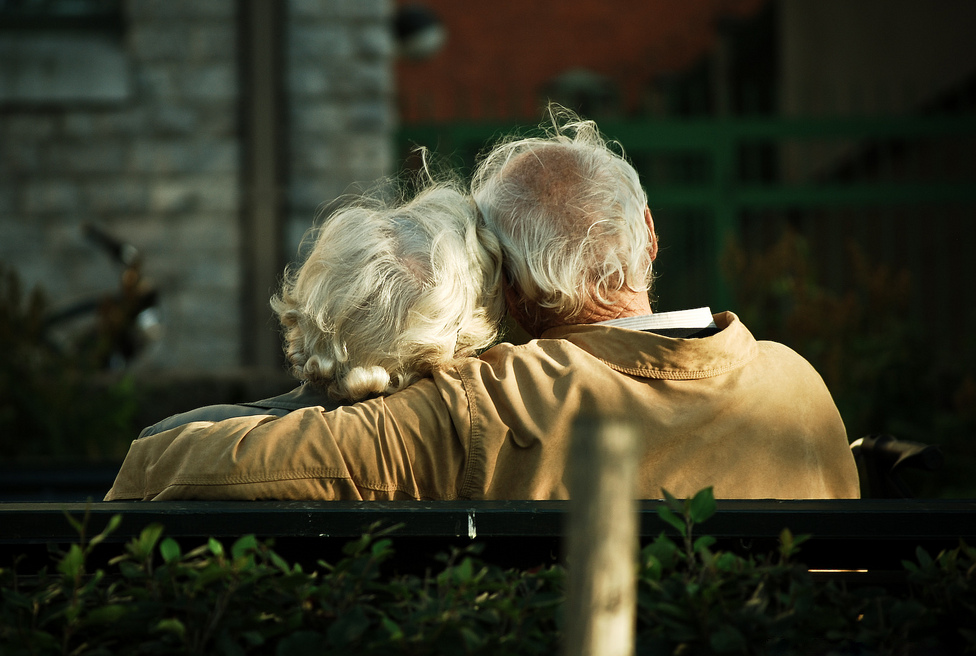
IOC The talk1Talking about the future can be hard. Such discussion will invoke anxiety in even the most calm of us when we start to think about all the unknowns in our futures and those of our loved ones. These discussions can get even harder when it’s not our future we’re talking about, but rather someone else’s. However, as difficult as it may be, there are some questions that we need to have answers to when it comes to our ageing parents and it is wise to have these conversations sooner rather than later. On that note, here are 7 basic questions that you should include in the “talk” with your ageing parent/s… as soon as you can.
1. How do they feel about getting older or having to get help to sustain their independence?

A parent/s can have all the legal stuff taken care of, but that doesn’t tell you how they feel. To really understand your ageing parents, it’s important to talk about how they feel about the situations that might happen.  Allow them to talk about their fears, their wishes, how they envision things unfolding in the event of a medical situation, and so on.  This is the type of conversation that will tell you if they have made decisions based on what they think will be easiest for others or what they really want.  This is the type of conversation that will allow you to make sure that the legal documents accurately represent your loved one’s wishes.  Most importantly, it is the type of conversation that will allow your ageing parent/s to know how much you support and love them and want what is best for them.

2. Do they have a will? Is the Will is safe keeping and up-to-date?

Bringing up a will can seem like you only care about what you’re getting, but a will contains so much more than just ‘who gets what’ and is essential to the process of handling matters when a loved one passes. This is your parent’s opportunity to dictate how they would like their affairs to be handled and who they want to handle things.  It is equally important for our parent/s to ensure their will is up-to-date so that loved ones don’t end up in bureaucratic chaos trying to simply execute the wishes of a loved one while simultaneously trying to mourn. Importantly, the same questions pertain to life insurance, which is separate from a will and requires the beneficiaries to be named to the life insurance company directly.

3. Do they have a living will?

Although many people plan for their deaths, many forget to also plan for any situation that might render them incapable of making their own decisions while still living.  Your parent/s may assume that the “right” decision will be made for them, by those in charge. This is not always how it plays out. Taking the time to decide what they want and making sure those wishes are legally noted is the only way to ensure your parents will be cared for in that way.

4. Do they have a Power of Attorney?

This can be one of the trickier topics to discuss if there are multiple children or individuals who might expect to be “chosen”.  Parents sometimes put this off because they simply don’t want to be seen as picking favourites, but it’s an essential document to have.  For this reason it is important that children (and any other interested individual) are respectful of whatever decision the elder makes.  No offense should be noted to the parent/s and if there are concerns about a selection, it would be wise to make sure all parties are involved in discussing this instead of trying to quietly bring it up to the parent. By involving everyone, the right decision for your aging parent can be made.

5. Do you have long-term care insurance?

Not all people have invested in long-term care insurance and with the costs of long-term care. This is something your parents may want to consider if it’s not too late to invest. If they have invested, being aware of what is covered, who to contact to initiate the insurance claim, and what services your parent will want to take advantage of is important to know ahead of time and can save money and hassles if/when the time comes.

6. What kind of care situation do you want?

Does your parent have a retirement or assisted living home in mind?  Do they want to stay at home as long as possible, focusing on ageing in-place (Home Care)? What nursing homes are they comfortable with if the situation were to become necessary? Having these discussions before a decision needs to be made ensures that people can look for the right care, make any needed arrangements, and not scramble at the last minute and have to take whatever is available.

7. What are your wishes for a funeral/memorial?

IOC-The talk2Sometimes there’s a lot of pressure to do things in a “traditional” way when it comes to how we remember our loved ones, but that’s not always what they want.  Although funerals/memorials need to reflect both the person that is gone and those who are left behind, having a discussion ahead of time can mean that all sides get their voices heard.  When a decision is reached beforehand, our loved ones know their wishes will be respected and those of us left behind can know we’re memorializing our parents in a way that they accept as well. This means no guilt for anyone and that’s a much-needed relief at a time of sorrow.

However hard it may be, please take the time to talk to your loved ones about these issues.  It’s also not too late to start thinking about them for yourself as well. The more prepared you are, the easier it is for those around us and the more open we are, the more likely we are to respect everyone’s wishes and know that ours will be respected too.

5 Things you should know about dementia

Dementia21 – Dementia is not a natural part of ageing
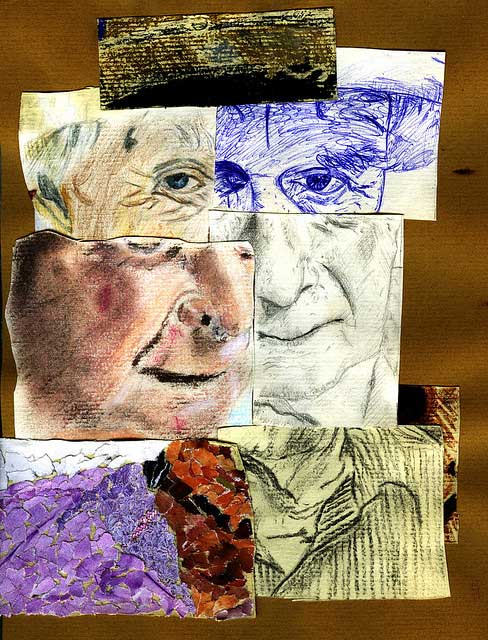
When someone becomes forgetful or confused, friends are often quick to reassure them that this is just ‘what happens when you get older’. Some of us do struggle with our memory as we age or during times of stress or illness. But dementia is different. Lots of people momentarily forget a friend’s name – someone with dementia may forget ever having met them. They usually experience a range

of other symptoms alongside memory problems and will begin to struggle with daily life. Dementia is not a normal part of ageing. It’s caused by changes to the structure and chemistry of the brain.

Dementia doesn’t just affect older people. Younger people are also susceptible have dementia. This is called early-onset or young- onset dementia.

The chance of developing dementia increases with age. One in 14 people over 65 – and one in six people over 80 – has dementia. It’s more common among women than men.

Help and support:  If you are worried about your memory, or about someone else, the first step is to make an appointment to see the GP. The GP can help rule out other conditions that may have symptoms similar to dementia and that may be treatable. These include depression, chest and urinary infections, severe constipation, vitamin and thyroid deficiencies and brain tumours. The earlier you seek help, the sooner you can get the information, advice and support you need.

2 – Dementia is caused by diseases of the brain

The word dementia describes a group of symptoms that may include memory loss, difficulties with planning, problem-solving or language and sometimes changes in mood or behaviour.

What causes dementia? Dementia occurs when the brain is damaged by a disease. There are many known causes of dementia. The most common is Alzheimer’s disease. This changes the chemistry and structure of the brain, causing the brain cells to die. The first sign is usually short-term memory loss.

Other types of dementia include vascular dementia, mixed dementia (Alzheimer’s disease and vascular dementia), dementia with Lewy bodies and frontotemporal dementia (including Pick’s disease). Each of these diseases affects the brain in slightly different ways. For example, Alzheimer’s disease tends to start slowly and progress gradually, while vascular dementia following a stroke often progresses in a stepped way.


Everyone’s dementia is different:
Whatever type of dementia a person has, everyone will experience the condition in their own way. How it affects a person over time is also unique to the individual – their own attitude, relationships with others and surroundings will all have an impact.

People often associate dementia with memory loss. And it does often start by affecting the short-term memory. Someone with dementia might repeat themselves and have problems recalling things that happened recently – although some people easily remember things from a long time ago. But dementia can also affect the way people think, speak, perceive things, feel and behave.

Common symptoms: Dementia often causes difficulties with concentration, planning and thinking things through. Some people will struggle with familiar daily tasks, like following
a recipe or using a bank card. Dementia also makes it harder to communicate.
For example, a person with dementia might have trouble remembering the right word or keeping up with a conversation. Many people have problems judging distances even though their eyes are fine. Mood changes and difficulties controlling emotions are common too. Someone might become unusually sad, frightened, angry or easily upset. They could lose their self-confidence and become withdrawn.

As dementia progresses: Dementia is progressive, which means that symptoms gradually get worse over time. How quickly this happens varies from person to person – and many people stay independent for years. Dementia is a condition that can affect anyone regardless of background, education, lifestyle or status.

There’s no known cure for dementia, but there are ways to help with symptoms and make life better at every stage. The more we understand about the condition, the more we can do to help people stay independent and live the life they want for as long as possible.

4 – It’s possible to live well with dementia

Scientists and researchers are working hard to find a cure for dementia. In partnership with people with dementia and their families, they are also looking into its causes, how it might be prevented and diagnosed earlier, and how to improve quality of life for people living with the condition.

Until we find a cure, there are drugs and other therapies that can help with some of the symptoms, so people can lead active, healthy lives and continue to do the things that matter to them most.

Drug treatments: There are medications available that may help with some types of dementia and stop symptoms progressing for a while. This is one reason it’s important to go to the doctor as soon as you suspect there’s a problem. It can feel like a big step to take, but a diagnosis can open up many opportunities to help overcome problems and find better ways of coping.

Non-drug treatments: People with dementia can also benefit from approaches that don’t involve drugs. For example, life story work, in which the person is encouraged to share their experiences and memories, or cognitive stimulation, which might involve doing word puzzles or discussing current affairs. Keeping as active as possible – physically, mentally and socially – can really help. It can boost memory and self-esteem and help avoid depression.

Dementia35 – There’s more to a person than the dementia

Living with dementia is challenging. When someone is diagnosed, their plans for the future might change. They may need help and support with everyday tasks or to keep doing the activities they enjoy. But dementia doesn’t change who they are. With the right support, it is possible for someone with dementia to live well and get the best out of life.

‘It’s important to carry on doing the things you enjoy, and not sideline yourself from your friends and family. We still go to the pictures and to the theatre.
We keep in touch with family and friends. We still go on holiday. We still go out together and do the things we always did.’ Brenda, whose husband has dementia

‘The art classes, choir and Memory Café are all brilliant for boosting my confidence. I’ve come away from my art classes and choir practice feeling like I’ve really achieved something. The choir has helped with my speech and memory too – I’m amazed that I can remember all the songs.’ Linda, living with dementia

‘Mum still does the things she used to do regularly – she still takes the dog to the woods like she used to. If she does something regularly and carries on doing it, she doesn’t normally forget it. Routine is really important.’ Pip, whose mother has dementia

Senior Care: Personal & Home Safety

Panic Alarm Bracelet

Personal and home safety, for people with alzheimer’s disease and dementia.

Seniors can still remain in their homes, as long as safety measures are put in place to ensure their safety.

As Dementia and Alzheimer’s progresses, a person’s abilities change. But with some creativity and problem solving, you can adapt the home environment to support these changes.

How Dementia affects safety

Alzheimer’s disease causes a number of changes in the brain and body that may affect safety. With creativity and flexibility, you can create a home that is both safe and supportive of the person’s needs for social interaction and meaningful activity.

Depending on the stage of the disease, these can include:

  • Judgment: forgetting how to use household appliances
  • Sense of time and place: getting lost on one’s own street; being unable to recognize or find familiar areas in the home
  • Behavior: becoming easily confused, suspicious or fearful
  • Physical ability: having trouble with balance; depending upon a walker or wheelchair to get around
  • Senses: experiencing changes in vision, hearing, sensitivity to temperatures or depth perception

Home safety tips

  • Assess your home: Look at your home through the eyes of a person with dementia. What objects could injure the person? Identify possible areas of danger. Is it easy to get outside or to other dangerous areas like the kitchen, garage or basement?
  • Lock or disguise hazardous areas: Cover doors and locks with a painted mural or cloth. Use “Dutch” (half) doors, swinging doors or folding doors to hide entrances to the kitchen, stairwell, workroom and storage areas.
  • Home Safety Checklist: Contact us at “In Or Care – Home Care Services to conduct a safety survey and discuss measures to correct findings. The process is easier than you think and solutions need not be cost prohibitive.
  • Be prepared for emergencies: Keep a list of emergency phone numbers and addresses for local police and fire departments, hospitals and poison control helplines.
  • Make sure safety devices are in working order: Have working fire extinguishers, smoke detectors and carbon monoxide detectors. Routine inspections, testing and replacing back-up batteries on applicable devices as just as important… Don’t assume because you have then, that they’re functioning as they should.
  • Install locks out of sight: Place deadbolts either high or low on exterior doors to make it difficult for the person to wander out of the house. Keep an extra set of keys hidden near the door for easy access. Remove locks in bathrooms or bedrooms so the person cannot get locked inside.
  • Keep walkways well-lit: Add extra lights to entries, doorways, stairways, areas between rooms, and bathrooms. Use night-lights in hallways, bedrooms and bathrooms to prevent accidents and reduce disorientation.
  • Place medications in a locked drawer or cabinet: To help ensure that medications are taken safely, use a pillbox organizer or keep a daily list and check off each medication as it is taken.
  • Remove tripping hazards: Keep floors and other surfaces clutter-free. Remove objects such as magazine racks, coffee tables and floor lamps.
  • Watch the temperature of water and food: It may be difficult for the person with dementia to tell the difference between hot and cold. Set water temperature at 120 degrees or less to prevent scalding.
  • Support the person’s needs: Try not to create a home that feels too restrictive. The home should encourage independence and social interaction. Clear areas for activities.

Six in 10 people with dementia will wander

A person with Alzheimer’s may not remember his or her name or address, and can become disoriented, even in familiar places. Wandering among people with dementia is dangerous, but there are strategies and services to help prevent it.

Who is at risk of wandering?

Anyone who has memory problems and is able to walk is at risk for wandering. Even in the early stages of dementia, a person can become disoriented or confused for a period of time. It’s important to plan ahead for this type of situation. Be on the lookout for the following warning signs:

Wandering and getting lost is common among people with dementia and can happen during any stage of the disease. 


  • Returns from a regular walk or drive later than usual
  • Tries to fulfill former obligations, such as going to work
  • Tries or wants to “go home,” even when at home
  • Is restless, paces or makes repetitive movements
  • Has difficulty locating familiar places like the bathroom, bedroom or dining room
  • Asks the whereabouts of current or past friends and family
  • Acts as if doing a hobby or chore, but nothing gets done (e.g., moves around pots and dirt without actually planting anything)
  • Appears lost in a new or changed environment

 Tips to prevent wandering

Wandering can happen, even if you are the most diligent of caregivers. Use the following strategies to help lower the chances:

  • Identify the most likely times of day that wandering may occur:
Plan activities at that time. Activities and exercise can reduce anxiety, agitation and restlessness.
  • Reassure the person if he or she feels lost, abandoned or disoriented: If the person with dementia wants to leave to “go home” or “go to work,” use communication focused on exploration and validation. Refrain from correcting the person. For example, “We are staying here tonight. We are safe and I’ll be with you. We can go home in the morning after a good night’s rest.”
  • Ensure all basic needs are met: Has the person gone to the bathroom? Is he or she thirsty or hungry?
  • Avoid busy places that are confusing and can cause disorientation: This could be shopping malls, grocery stores or other busy venues.
  • Place locks out of the line of sight: Install either high or low on exterior doors, and consider placing slide bolts at the top or bottom.
  • Camouflage doors and door handles: Camouflage doors by painting them the same color as the walls, or cover them with removable curtains or screens. Cover knobs with cloth the same color as the door or use childproof knobs.
  • Use devices that signal when a door or window is opened: This can be as simple as a bell placed above a door or as sophisticated as an electronic home alarm.
  • Provide supervision: Never lock the person with dementia in at home alone or leave him or her in a car without supervision.
  • Keep car keys out of sight: A person with dementia may drive off and be at risk of potential harm to themselves or others.
  • If night wandering is a problem: Make sure the person has restricted fluids two hours before bedtime and has gone to the bathroom just before bed. Also, use night-lights throughout the home.

Make a plan

The stress experienced by families and caregivers when a person with dementia wanders and becomes lost is significant. Have a plan in place beforehand, so you know what to do in case of an emergency.

  • Keep a list of people to call on for help: Have telephone numbers easily accessible and update them every six months.
  • When someone with dementia is missing: Begin search-and-rescue efforts immediately. Ninety-four percent of people who wander are found within 1.5 miles of where they disappeared.
  • Ask neighbors, friends and family to call if they see the person alone.
  • Keep a recent, close-up photo and updated medical information on hand to give to police.
  • Know your neighborhood: Pinpoint dangerous areas near the home, such as bodies of water, open stairwells, dense foliage, tunnels, bus stops and roads with heavy traffic.
  • Keep a list of places where the person may wander:
This could include past jobs, former homes, places of worship or a restaurant.
  • Provide the person with ID jewelry: Medical alert bracelet and or electronic wander guard device preferably with GPS capability.
  • If the person does wander, search the immediate area for no more than 15 minutes: Call “911” and report to the police that a person with Alzheimer’s disease — a “vulnerable adult” — is missing. A Missing Report should be filed and the police will begin to search for the individual. Make a point of knowing what they’re wearing for a more accurate description.

Many people with dementia want to live at home for as long as possible. Often, this is with support from others. However, it can be difficult managing everyday situations if you have dementia, particularly as the dementia progresses and you get older. As a result, some people may not be as safe at home as they used to be. This factsheet looks at how a person with dementia can stay safe at home and in the surrounding environment. It identifies some risks in the home environment and suggests ways to manage them.

 It is important to find the right balance between independence and unnecessary harm. The person with dementia should, where possible, be involved in decision-making and their consent sought and given about changes. If this is not possible, it is important that those making the decision do so in the person’s best interests.

Many of the issues in this factsheet are related to the normal ageing process. However, having dementia can place a person at higher risk of experiencing some of these issues. Everyone will experience dementia in their own way. The type of risks they face, and strategies to manage these, will depend on the individual and their situation.

Avoid falls

Falls are a common and potentially serious problem affecting older people. The risk of falls increases with age. This may be because of a range of factors: medical conditions (such as stroke), medication, balance difficulties, visual impairment, cognitive impairment and environmental factors. Falls can have detrimental effects on people, including injuries, loss of confidence and reduced activity.

For some people with dementia, the condition can also increase the likelihood of falling.

There are a number of things that can be done at home to reduce the risk of falling:

  • Home safety: Check the home for potential hazards such as rugs, loose carpets, furniture or objects lying on the floor. An occupational therapist may be able to help with identifying hazards and suggesting appropriate modifications.
  • Exercise: Regular exercise can improve strength and balance and help to maintain good general health. A referral to a physiotherapist may also help. Speak to your GP to find out more.
  • Healthy feet: Foot problems, including foot pain and long toenails, can contribute to an increased risk of falls. Seeing a podiatrist (a health professional who specializes in feet) can help. Contact your doctor to find out more.
  • Medicines: Medication can have side effects, including dizziness, which could increase the risk of a fall. Changes to medication or dosage, as well as taking multiple medicines, can increase a person’s risk of falling. Speak to the doctor about a medicine review if the person with dementia is taking more than four medicines.
  • Eyesight: Regular eye tests and wearing the correct glasses may help to prevent falls.
  • Keep objects in easy reach: If something is going to be used regularly, keep it in a cupboard or drawer that is easy to access.
  • Try not to rush: Do things at an appropriate pace; many people fall when they are rushing.

Improve lighting

As people get older they need more light to see clearly. This is because of age-related changes to the eyes. These changes include:

  • Pupils becoming smaller
  • Increased sensitivity to glare
  • Reduced amount of light reaching the retina.

Dementia can cause damage to the visual system (the eyes and the parts of the nervous system that process visual information), and this can lead to difficulties. The type of difficulty will depend on the type of dementia. Problems may include:

  • Decreased sensitivity to differences in contrast (including colour contrast such as black and white, and contrast between objects and background)
  • Reduced ability to detect movement
  • Reduced ability to detect different colours (for example, a person may have problems telling the difference between blue and purple)
  • Changes to the visual field (how much someone can see around the edge of their vision while looking straight ahead)
  • Double vision.

Improved lighting can reduce falls, depression and sleep disorders, and improve independence and general health. The following tips may help:

  • Increase light levels and use daylight where possible.
  • Minimize glare, reflection and shadows. Glare can be distracting and can reduce a person’s mobility.
  • Lighting should be uniform across any space, and pools of light and sudden changes in light levels should be avoided. This is because when a person gets older, their eyes adapt slowly to changes in light levels.
  • Remove visual clutter and distractions such as carpets with floral patterns.
  • Use colour contrasts to make things clearer, ie: a light door with a dark frame.
  • Leave a light on in the toilet or bathroom during the night. A night-light in the bedroom may help if someone gets up in the night.

Store dangerous substances safely

Dangerous substances, including medicines and household cleaning chemical should be stored somewhere safe. If the person with dementia is unable to administer their own medication safely, arrangements should be made for someone else to do this. A dosette box could be helpful. These have separate tablet compartments for days of the week and/or times of day such as morning, afternoon and evening.

Adaptations to the home

As people get older they may experience difficulties in managing everyday activities such as cooking or bathing, for a variety of reasons. People with dementia may experience additional challenges as their dementia progresses, because of memory problems or a reduced ability to carry out tasks in the correct sequence.

Adapting the home can help people with dementia to maintain their independence and reduce the risk of harm. It can also help to adapt some everyday tasks slightly. The following tips may help:

  • Label cupboards and objects with pictures and words so that they can be identified.
  • Where possible, use devices that only have one function and are easy to identify, for example a kettle.
  • Place clear instructions that can easily be followed somewhere visible.
  • Make sure the kitchen is well lit.
  • If there are concerns about using gas or electrical appliances inappropriately, contact the gas or electricity company and ask for the person to be put on the priority service register. This means that they will be eligible for free regular safety checks and will be able to get advice about safety measures such as isolation valves (advice is also available for care givers).
  • Fit an isolation valve to a gas cooker so that the cooker cannot be turned on and left on. Devices are also available for electric cookers.
  • Look into products that may help to maintain independence and safety such as electric kettles that switch off automatically.
  • If the person’s ability to recognize danger is declining, consider removing potentially dangerous implements such as sharp knives, but place other items for everyday use within easy reach.
  • Create a “wander loop” in your home, a safe pathway that allows the patient to safely roam.
  • Use reflector tape to create a path to the bathroom.
  • Cover radiators and electrical outlets with guards.
  • Lock doors that lead to places like basements and garages.
  • Install safety locks and alarms on exit doors and gates.
  • Cover smooth or shiny surfaces to reduce confusing glare.
  • Eliminate shadows with a lamp that reflects off the ceiling.
  • Cover or remove mirrors if they are upsetting to a person with hallucinations.
  • Store car keys in a locked container; disable the car.
  • Do not allow unattended smoking.
  • Make sure an I.D. bracelet is being worn at all times.
  • When selecting home care, make sure to hire an aide who has been trained to deal with dementia and Alzheimer’s patients, and is under the supervision of a skilled home care nurse.
  • And, most importantly, constantly re-assess your parent’s abilities with the help of a nurse or physician.

Avoid fire

There are ways to minimize the risk of fire in the home, including fitting smoke alarms and carbon monoxide detectors, and checking home appliances.

Local fire and rescue services can provide free home safety visits. They offer advice about how to make the home safer, as well as fitting smoke alarms and planning escape routes. Electric and gas appliances can be dangerous. It is important to check appliances to make sure they are working safely. Some appliances will have built-in safety features. Consider placing safety devices on stoves so that they are not accidently placed, or left on the on position.

Stay safe outdoors

Being outdoors is important for people of all ages and has many benefits. It is good for mental and physical health, including wellbeing, sleep and appetite Being outdoors can have psychological benefits such as reduced depression and agitation. Activity can also enhance a person’s independence and wellbeing. A garden, balcony or outdoor space can help to bring these benefits to people with dementia. It is important to manage any risks that may come with being outdoors.

The Following suggestions may help:

  • Make sure the area is well lit. This could be done with a sensor light, so that if a person is outside and daylight is fading they are still able to see adequately.
  • Put a rail on any stairs to help the person get up and down them. It can also help to highlight the edges of each step.
  • Avoid trip hazards such as loose paving slabs or uneven surfaces.
  • Have seating areas so that the person can take a rest or enjoy being outside if they are unsteady on their feet.
  • Use shelter to protect people from the elements if they want to spend a long time outside – a parasol or hat to minimize sun exposure.

Ensuring your home is adequately assessed for safety concerns is you first step in assuring that your love one enjoys their decision to remain in their home for as long as possible.

We can help. From an initial assessment to providing the home care services you need to meet your needs.